
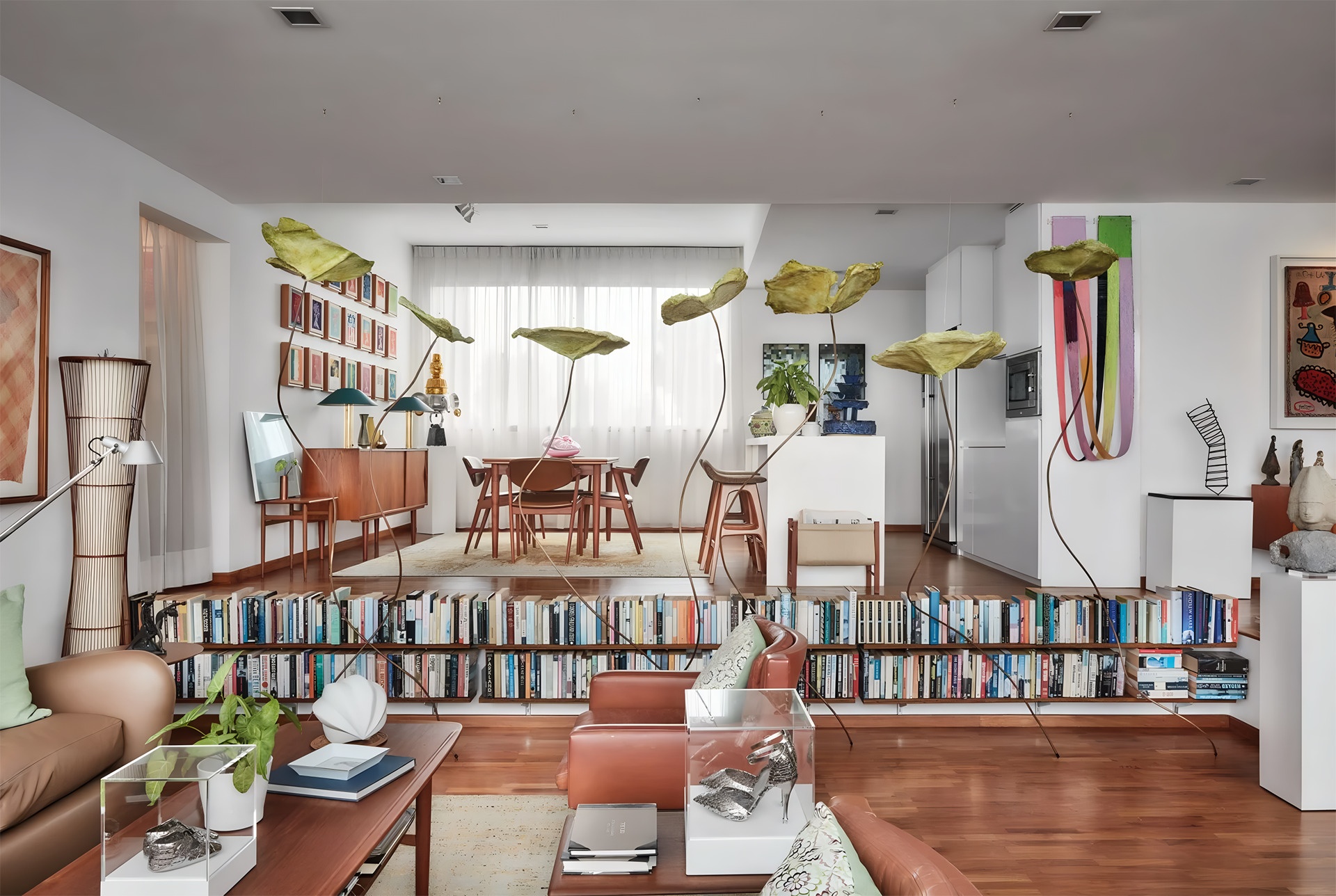
Krystina Lyon is an art historian and collector with a particular affinity for female Southeast Asian artists. Her collection foregrounds voices often overlooked in regional art circles, with a deliberate focus on artists pushing back against gendered assumptions.
AWDB is delighted to share Krystina’s recent interview with Metis Art, a global art advisory and education platform with specialists in Southeast Asian art, which offers a wonderful insight into her collection.
Interview below courtesy of MetisArt.co
Krystina Lyon’s collection is a testament to her deep engagement with contemporary Southeast Asian art. Focused primarily on female artists, her acquisitions reflect an evolving perspective on gender, context, and expression. Lyon’s journey as a collector has been shaped by her academic background, years as a docent, and a lifelong connection to the region. Featured in Tatler Singapore, and at the recent How to be a Rebel : Women in the Arts panel discussion at Mandala Club on the occasion of Rebels, Rascals, and Mavericks she shares her collecting ethos, her experiences in the art world, and the artists who resonate most with her.
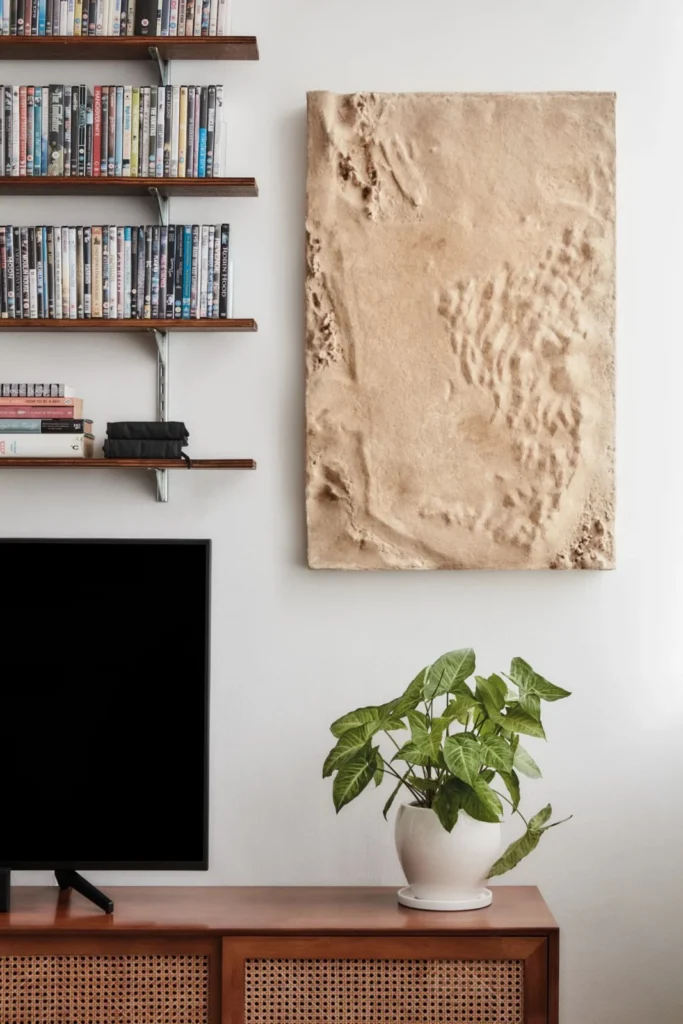
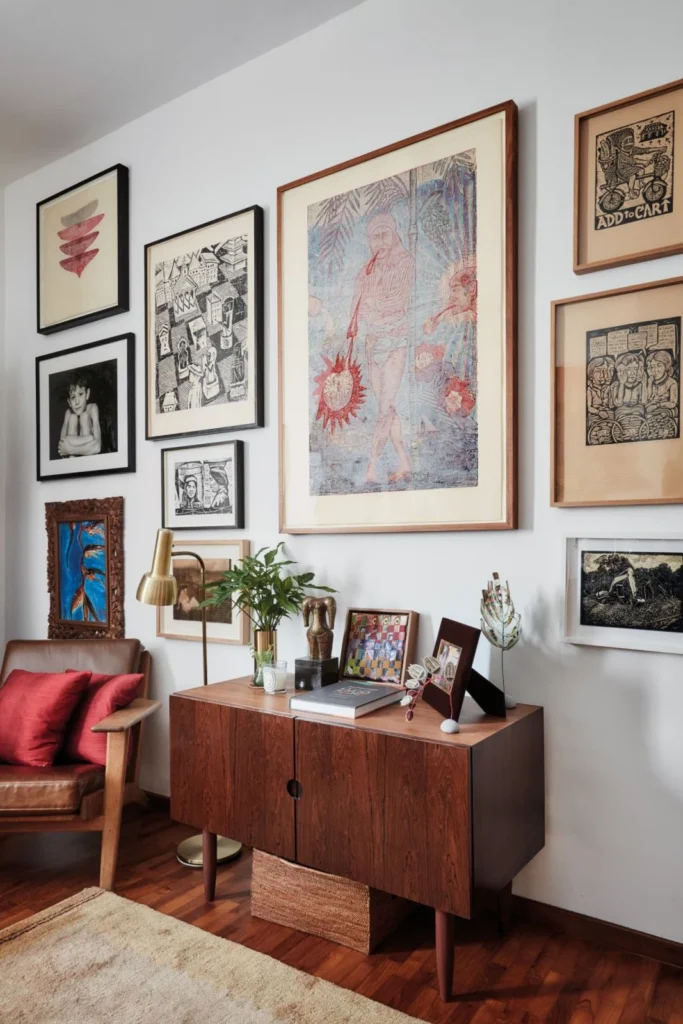
How did you begin your collection? Did you realise conscientiously while collecting that it slanted towards Southeast Asian female artists?
It started gradually. My husband and I collected artworks throughout our marriage, but after completing the MA in Asian Art Histories (Goldsmiths UK/LASALLE Singapore) I developed a clearer focus. I grew up in Manila, am now living in Singapore and have spent over thirty years in Southeast Asia, so I feel confident in selecting artists whose art practice focuses on the region.
I gravitate towards female artists – not just because of their gender, but because the themes they explore speak to me. My time at Wellesley College (an all women’s institution in Boston) in the late 70’s may have influenced my interest in gender equality, though I am mindful of applying Western constructs to Southeast Asian women artists.
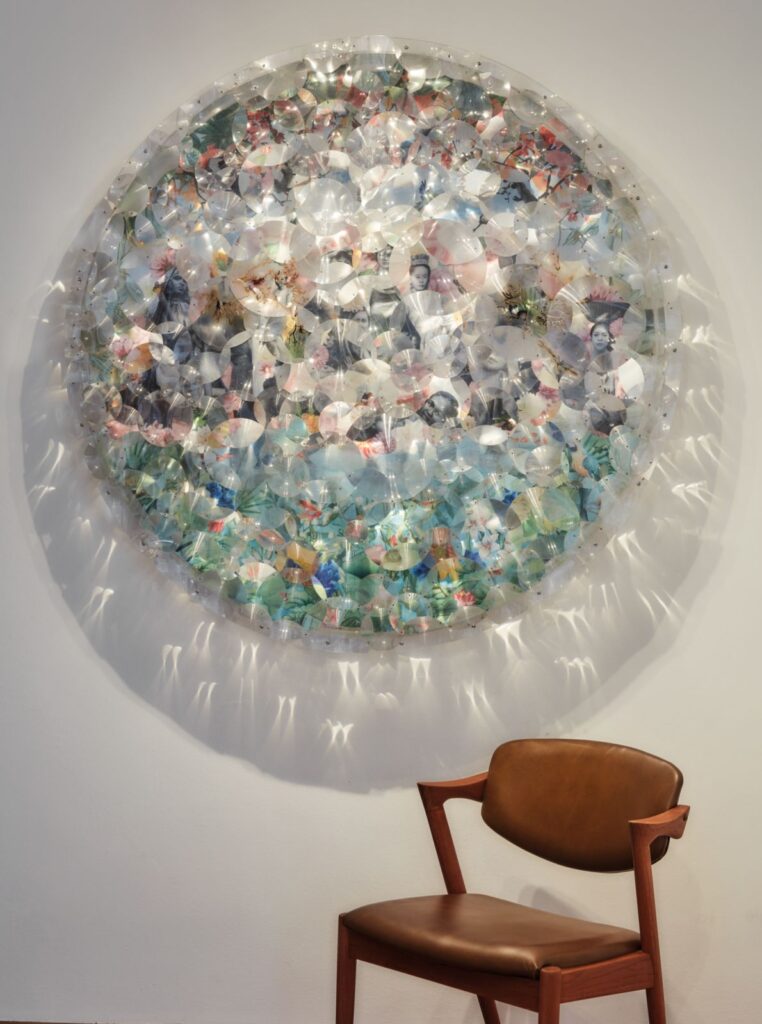
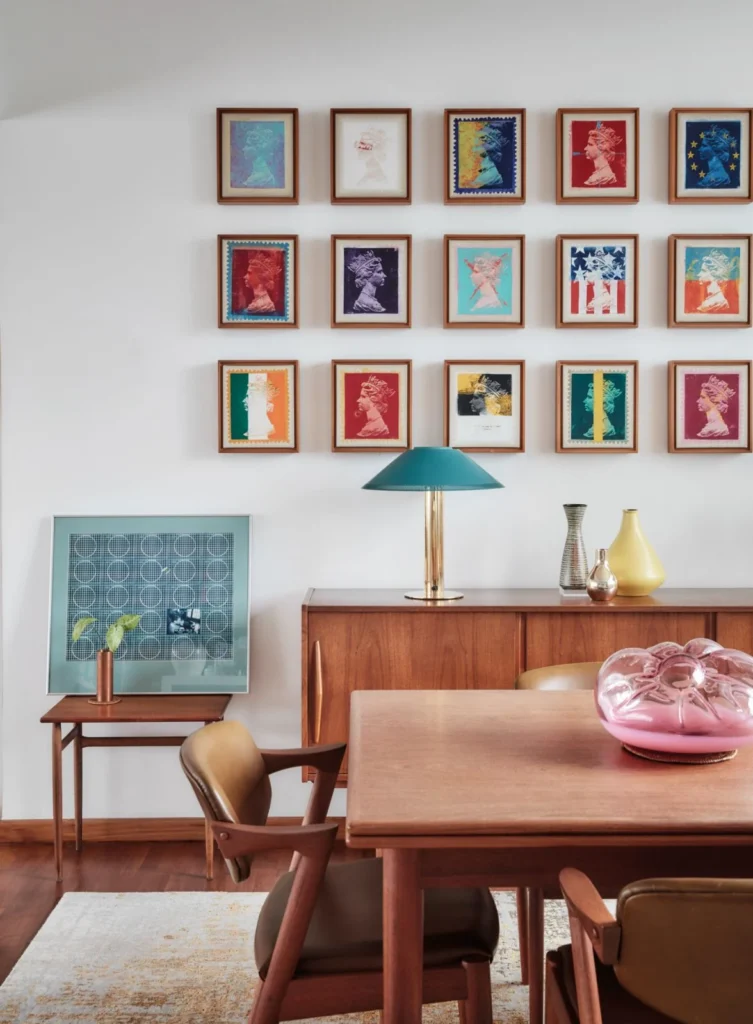
What are the parameters of your collection, and do you ever make any exceptions to these rules?
I follow broad guidelines. I focus primarily on contemporary female artists and aim to collect at least 2 from each of the 11 ASEAN countries while balancing emerging, mid-career, and established artists. I do make exceptions, including artworks by some male artists. Over time, my focus has shifted from gender to context, issues, and expression.
While preparing for the Mandala Club panel talk and reflecting on my collection, I realized that many of the artists I collect share a common thread. They confront taboo or difficult subjects that challenge conservative norms and societal restrictions on women. Their ability to subtly subvert expectations while maintaining a strong and uncompromising voice is what draws me to their work.
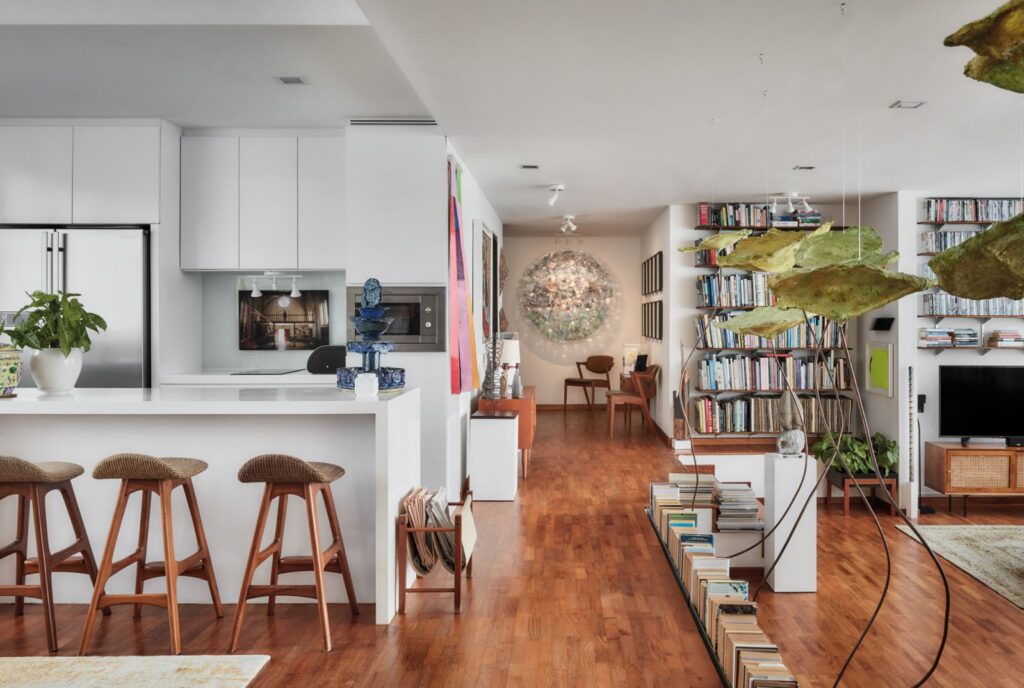
How did your further studies and art historical research (a Master of Arts in Asian Art Histories, Goldsmiths/LASALLE) inform your collecting decisions?
Before my MA, I spent over a decade as a docent at heritage museums in Singapore and shifted to guiding modern and contemporary art at STPI, Gillman Barracks and the National Gallery. These experiences gave me a strong foundation in cultural and regional art history. My MA research reinforced the value of going beyond the surface of an artist’s practice, and I continue to prioritise studi
During our talk, you highlighted 7 female artists who are “rebels, rascals and mavericks” in line with the title of our exhibition at Mandala Club. Who are these artists and why do they resonate with you?
I selected Octora, Citra Sasmita and Murniasih from Indonesia; Yeo Kaa and Eisa Jocson from the Philippines; Maria Madeira from Timor Leste; and Suzann Victor from Singapore.
Octora was the first artist I ever wrote an academic essay about. That experience opened my mind to the many layers that reveal themselves if you are prepared to spend time in front of an artwork and truly engage with it.
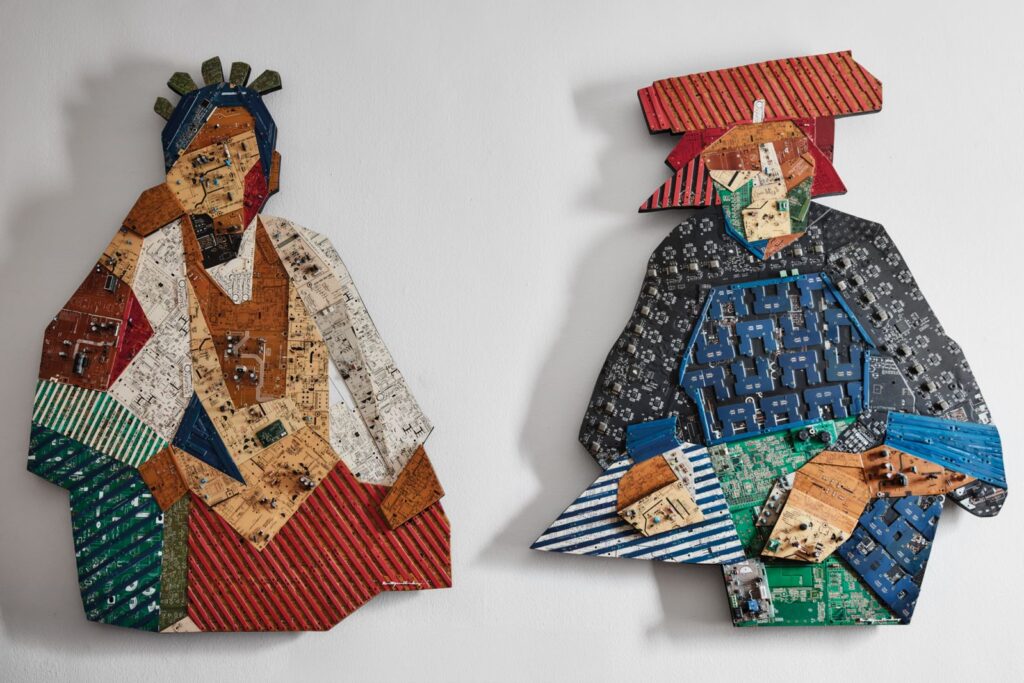
Citra Sasmita’s work shifts your entire perspective. She is rewriting Balinese/Indonesian art history by placing women at the center in her narratives, using traditional materials like kamasan canvas and Balinese painting tropes. Hers is a multi-layered attack on the lingering patriarchy, which she achieves by creating a visual language rich with symbolism. She is fearless and determined to ensure the canon recognises the contribution of female Balinese artists past and present.
Murniasih, a self-taught Balinese artist who passed away in 2000 at the age of 40 after a difficult life, created visceral and deeply original work that I can only absorb in small doses. It cracks me open – it is raw and explicit in subject matter, expressive and brave! She was one of the first contemporary Indonesian artists to express female desire, reclaim autonomy, and disrupt the idea of women’s passivity in society.
Eisa Jocson and Yeo Kaa, both from the Philippines, are multidisciplinary artists whose work I am still exploring. Their performative work resonates with me because they tackle uncomfortable issues like body politics in the entertainment and services industries and the darker side of human nature. Their work transcends national borders and has the capacity to resonate with women anywhere. I hope to write more about them in the future.
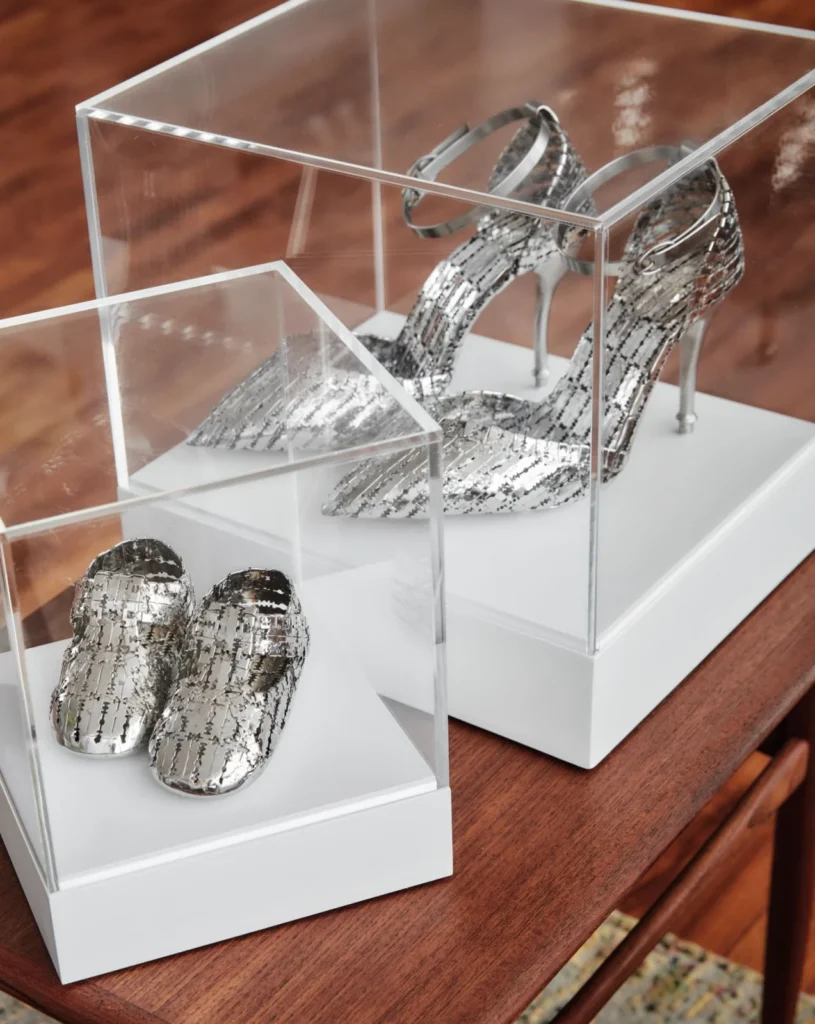
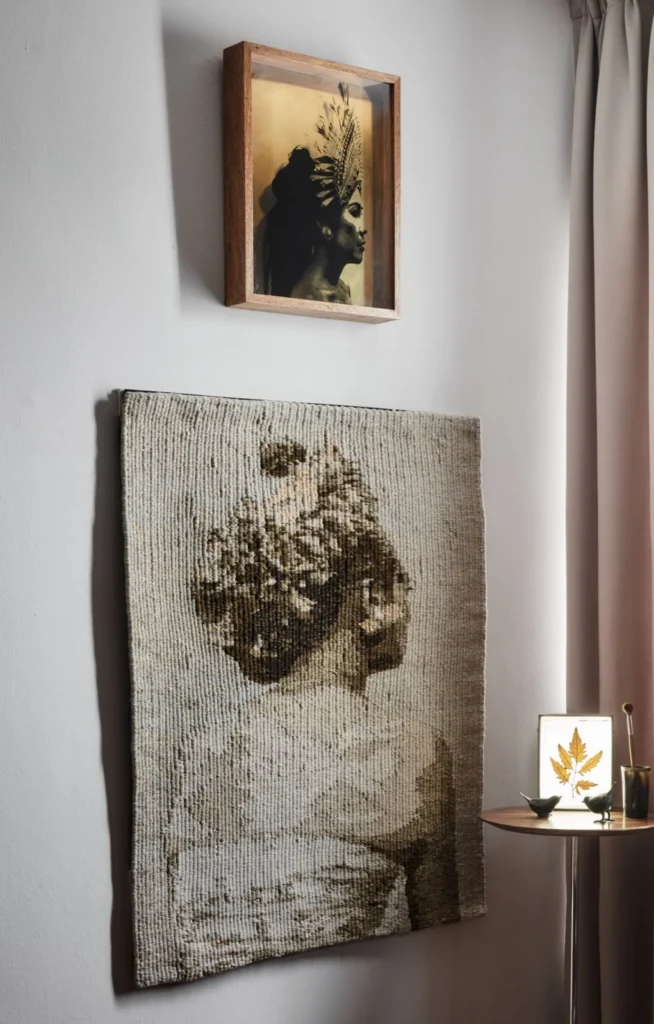
Do you have any advice for your collectors who are looking at building a regional and female-oriented collection?
Immerse yourself in the art world – visit art fairs, biennales, galleries, exhibitions, museums, and talks. I always sign the galleries’ guest books, note my interest in female artists, and request to join their mailing lists. Galleries are great at keeping track of your interests and sharing updates on openings and events, making it an excellent way to meet visiting artists.
I always ask new galleries what percentage of their represented artists are women. It often sparks discussions about the difficulties galleries face in securing enough works by female artists for solo exhibitions, which ties into broader discussion about the practical challenges of being a female artist, a topic I explored in my MA thesis: “Kasibulan and Womanifesto: The Role of Women’s Art Collectives in Mediating the Gendered Nature of Contemporary Art”.
It is important to explore the region’s art history through exhibition materials, museum bookshops, and the National Library. To get a broader view, I enjoy attending Biennials and Triennials, such as the Sharjah Biennale 16, curated by five female curators from different parts of the world: Natasha Ginwala, Amal Khalaf, Alia Swastika, Megan Tamati-Quennell and Zeynep Öz.
The key to building any collection is staying informed and enjoying the process!
Source: This feature is re-published and courtesy of Metis Art Education.