Mit Jai Inn
b. 1960, Chiang Mai, Thailand
Chiang Mai, Thailand
- Thailand
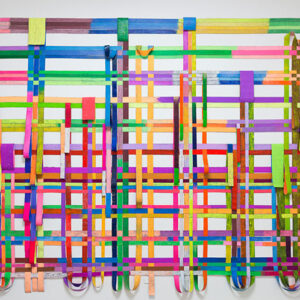
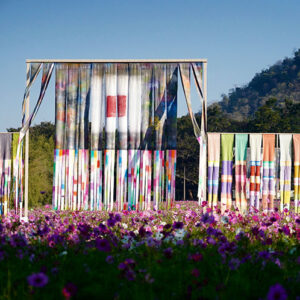
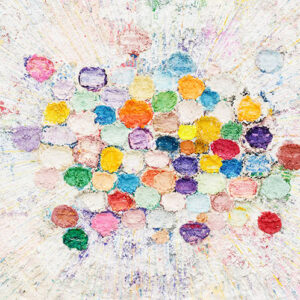
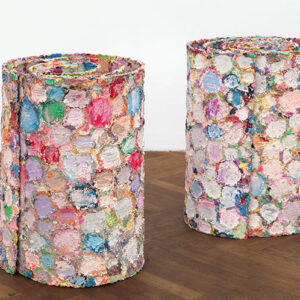
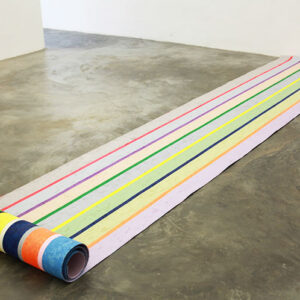
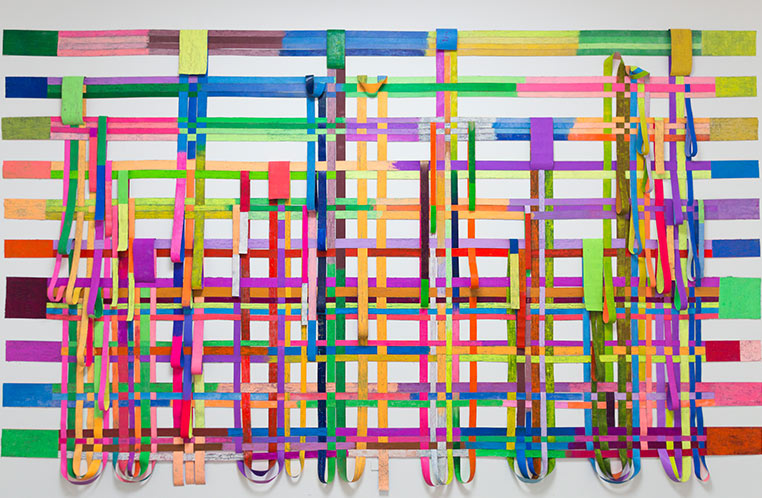
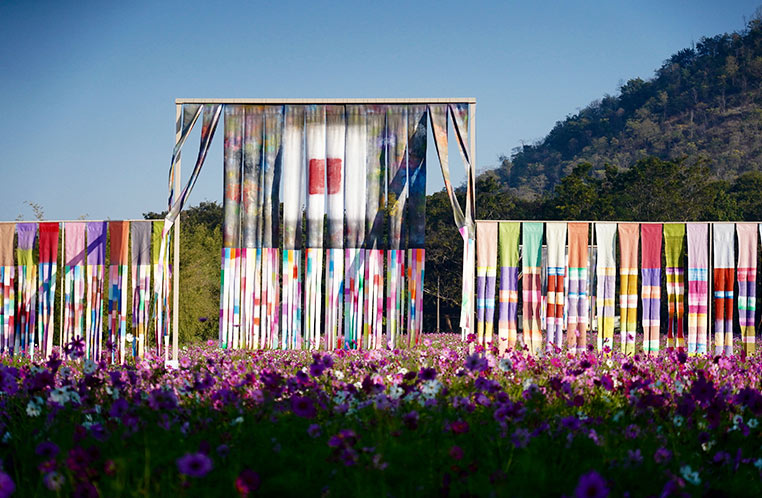
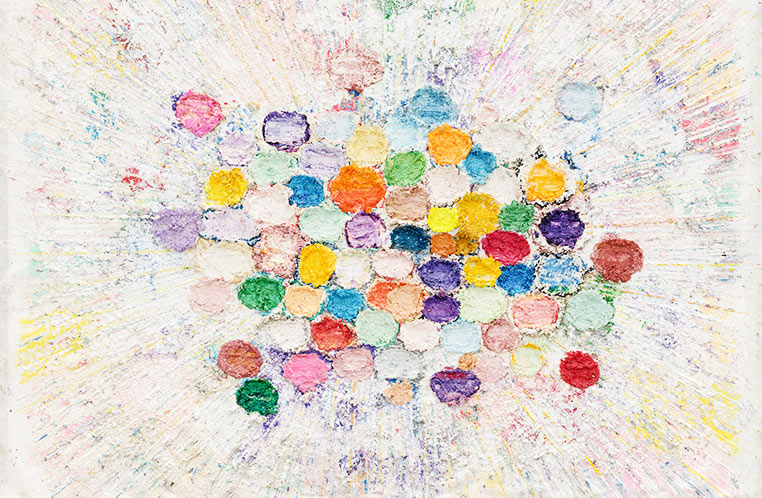
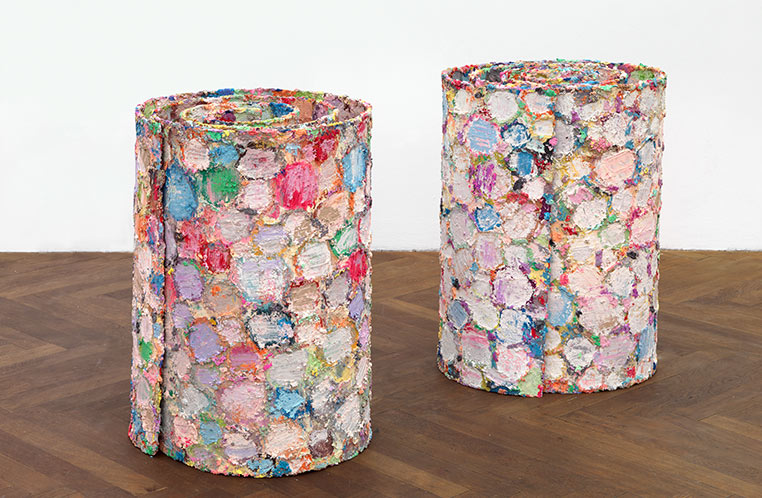
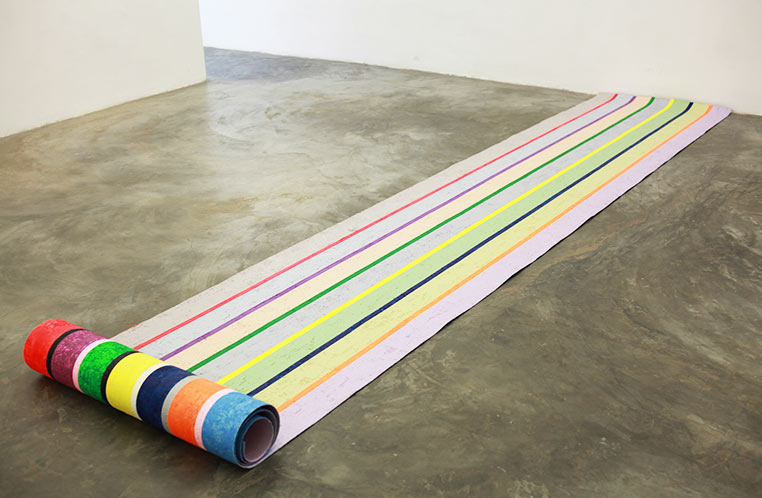
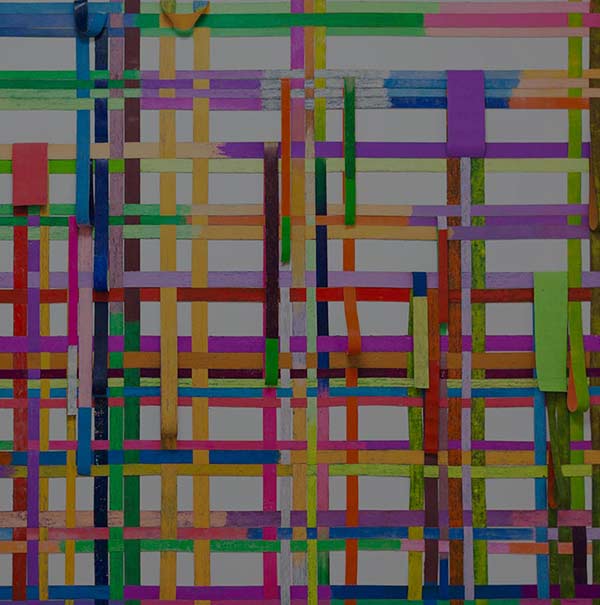
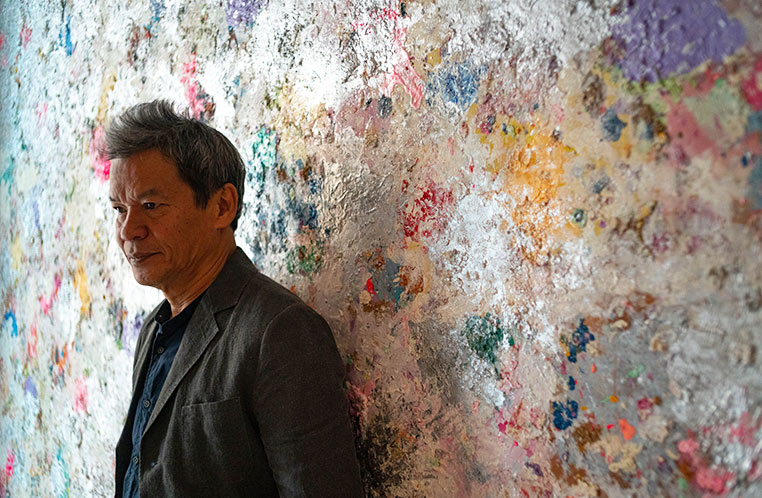
Mit Jai Inn’s paintings come into being in his outdoor Chiang Mai studio, where he gives turns to the vibrating spectrum of sun and moonlight, with nocturnal interludes under white fluorescent. His colour-based, densely layered work defies conventional boundaries of painting, while variously enacting its multiple histories and treatments. Mit’s practice is, on the one hand, rooted in a rigorous physicality of both manual and optical labour. His studios’ multiple workstations show evidence of crushing and mixing colour of his own making, of plotting, pulling and pushing, overlaying, and scraping pigment. Canvases, often treated on both sides, stretch across floors, drape from tables and hang from metal beams. In place of brushes, mark makers are palette knives, hands, and fingers. While this corporeality of colour is embedded and perceptible in Mit’s painted forms, it is also his way of actively channelling, resisting, or responding to particular aesthetic, social and political histories. These can include divisions between so-called ‘Western’ and ‘Eastern’ canonical painting to shifting political states in Thailand. Within each new body of work are offerings inspired by and made for the nations, spaces, hosts and publics of his often site-specific work. This accounts for evolutions in colour, scale, and topographical variation, from sombre amorphous blotches, bright grids, crafted pastel stripes, all-over dots in neon, and more. First studying at Silpakorn University, Bangkok, Mit moved to Vienna’s Academy of Arts from 1986-1992 while working as an assistant to the artist Franz West. During these years in Vienna and Berlin, Mit began a vocabulary of serial forms with relational intentions, seeking to counter aspects of formal painting and its market and exhibitionary frameworks of that time. His paintings were unstretched and unframed, brightly colored, mostly two-sided, touchable works that populated galleries but also public spaces, taxis, private apartments, and which he often used as a trading currency. An early series, Free Flyers, was created as giveaways, with reference to the popular pre- internet free information sharing system. Wall Works became a series of one or two-sided color fields on canvas that are variably installed, sometimes acting as optical screens or partitions, other times as carpets that can be walked on. Sticks first appeared as pink ladders in Vienna apartments, as animal feeders planted in the earth at an early edition of Chiang Mai Social Installation, then as obsessively painted wand- like works in a Bangkok gallery. The small, intimate two-sided panels of bright partitioned color in the series Dream Works are carefully slit, allowing air and energy to pass through their gaps, flaps, and openings. The same is true of the series Patch Works, yet in closer reference to ideas of modularity in family and societal structures. Scrolls was first developed in 2002 and extended Mit’s interest in communal ritual forms, such as rolled iconographic or ceremonial painting, which are intended to gather publics, to be an invitation, an opening. More recent forms, Tables and Pools, plot mounds of pigment fresh with linseed oil, facilitating performativity of the medium itself.